Gamble can be exciting. Whether it’s placing a sports bet on your favorite team, spinning the reels on a slot game, or sitting at a poker table with friends, the thrill of uncertainty is part of the appeal. For many people, gambling is simply a form of entertainment — a way to unwind, socialize, and test their luck.
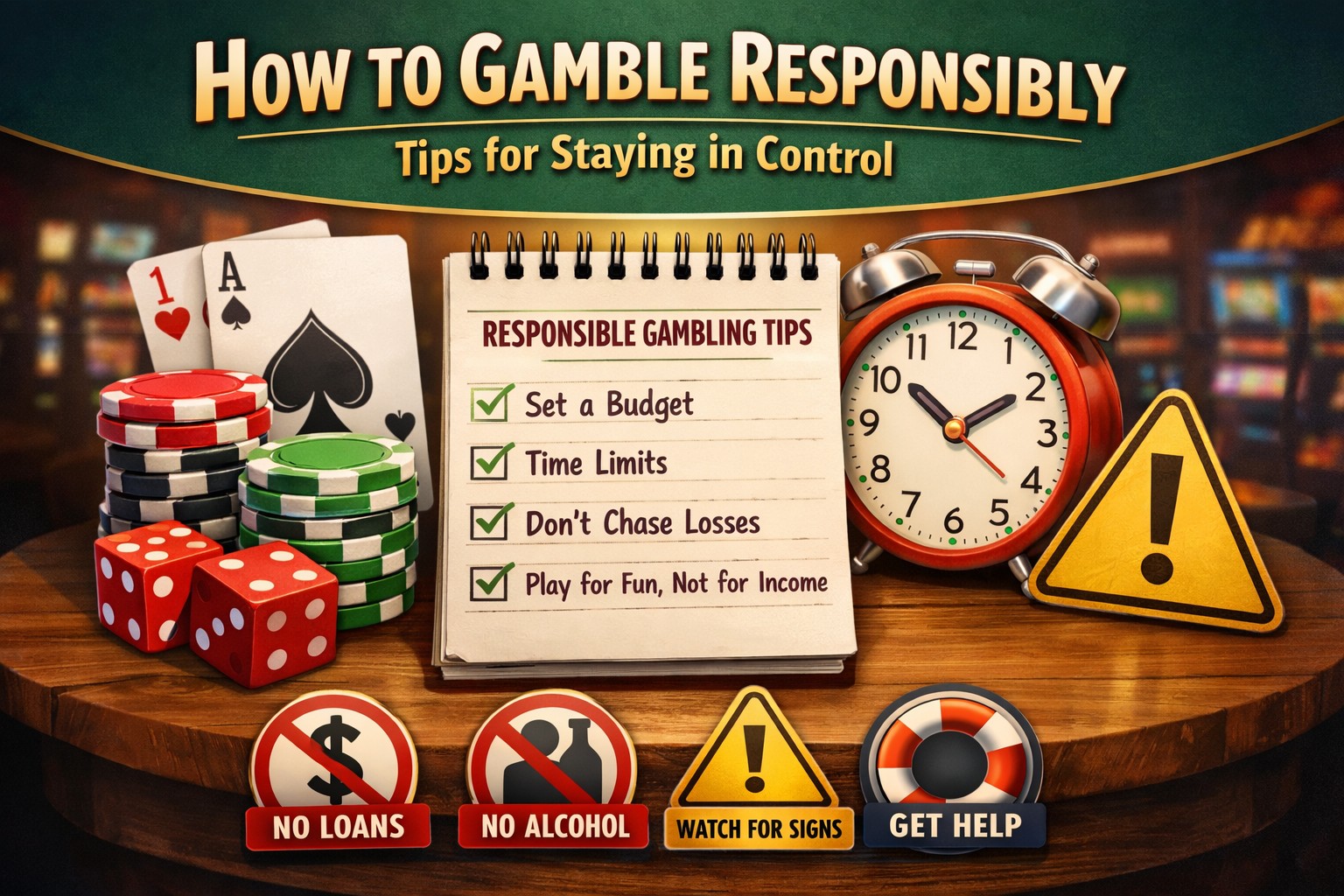
But like any activity that involves money and risk, gamble requires balance. Without clear boundaries, what starts as fun can quickly become stressful. That’s why responsible gambling isn’t just a suggestion — it’s a mindset. It’s about staying in control, making informed decisions, and keeping the experience enjoyable.
In this guide, we’ll walk through practical, real-world tips to help you gamble responsibly and protect both your finances and your well-being.
1. Understand That Gambling Is Entertainment — Not Income
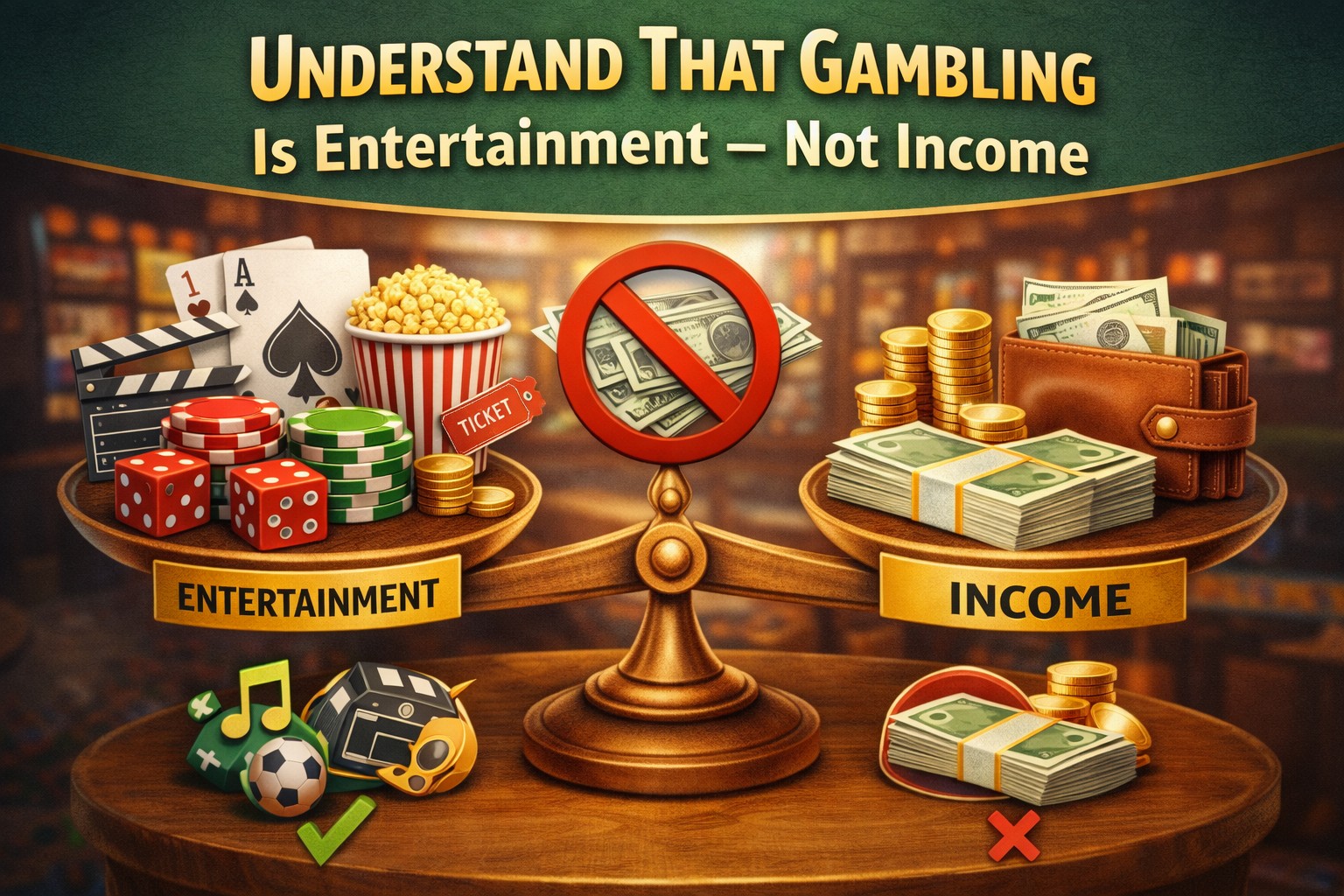
The most important rule of responsible gambling is simple: never treat gambling as a way to make money.
While it’s true that people can win, gamble outcomes are always uncertain, and the odds are designed to favor the house over time. If you approach gambling expecting consistent profits, you’re setting yourself up for disappointment and risky behavior.
Instead, think of gamble like going to a concert or paying for a streaming subscription. You’re spending money for entertainment value. If you win, that’s a bonus. If you lose, it’s the cost of the experience.
When your expectations are realistic, you’re less likely to chase losses or make emotional decisions.
2. Set a Budget — and Stick to It
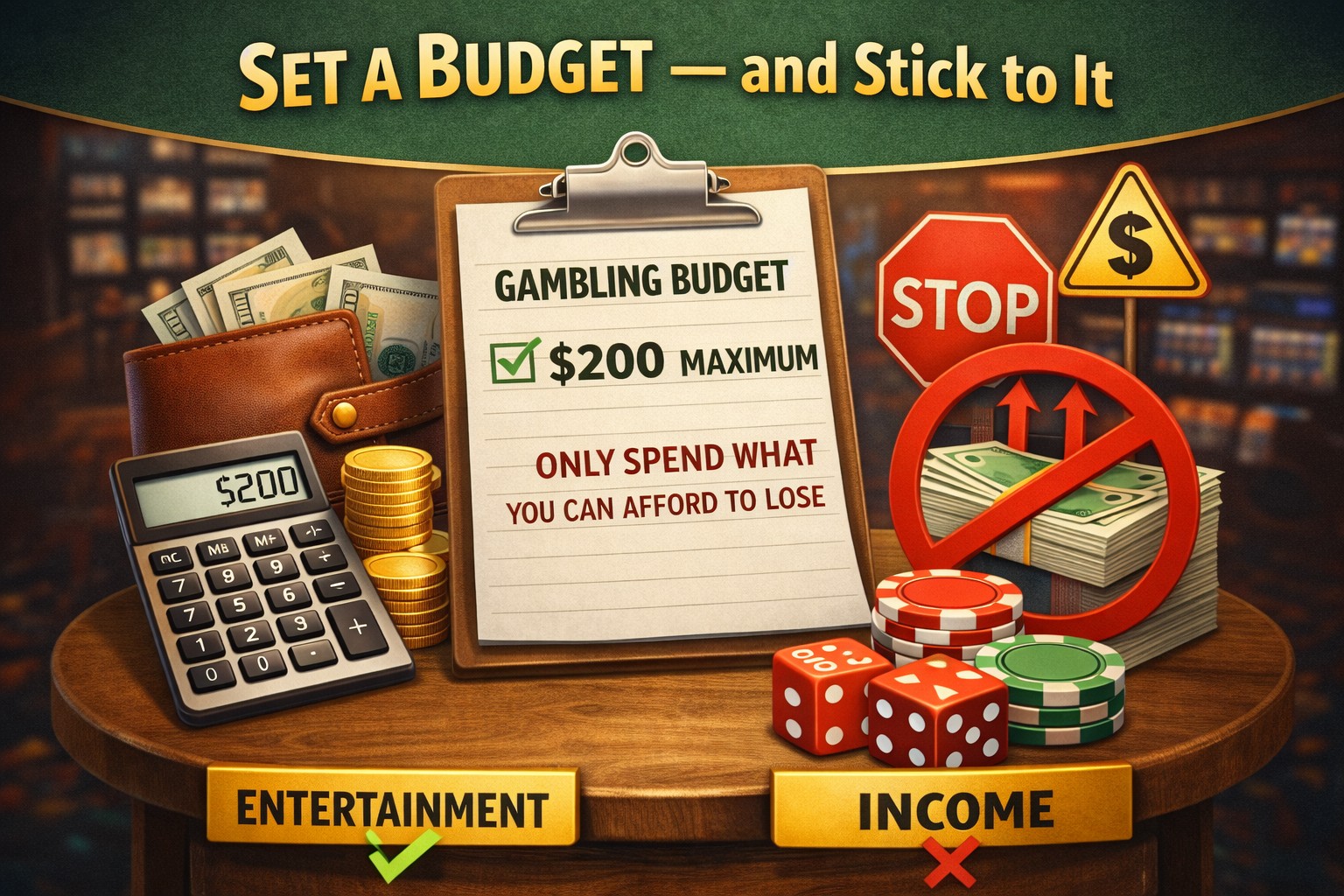
Before you start gamble, decide exactly how much money you can afford to lose. This amount should be:
- Separate from rent or mortgage payments
- Separate from utility bills
- Separate from groceries and essential expenses
- Separate from savings or emergency funds
Only gamble with disposable income — money that, if lost, will not impact your financial stability.
Once you set a budget, stick to it no matter what. Avoid bringing extra cash or linking accounts that allow easy access to more funds. Many online platforms offer deposit limits, which can be incredibly helpful in enforcing your budget automatically.
A good rule of thumb: If losing the money would cause stress, don’t gamble it.
3. Set Time Limits
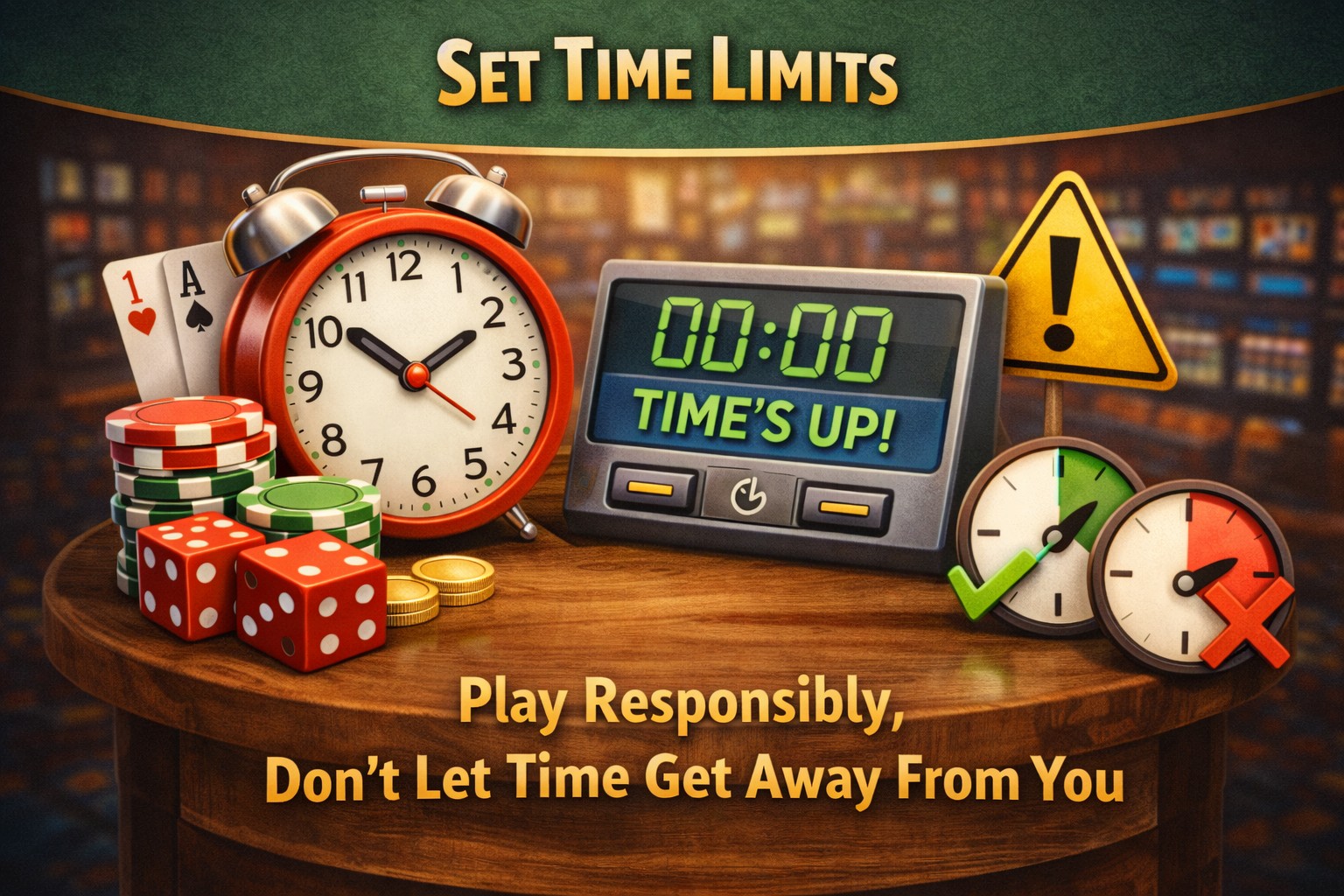
Money isn’t the only resource at stake — time matters too.
It’s easy to lose track of time when you’re caught up in the excitement. Hours can pass without you realizing it, especially in online environments where games are continuous.
Before you start, decide how long you’ll gamble. Set an alarm if necessary. When time’s up, walk away — even if you’re winning.
Long sessions can lead to fatigue, and fatigue leads to poor decision-making. By limiting your time, you stay sharper and maintain control.
4. Never Chase Losses
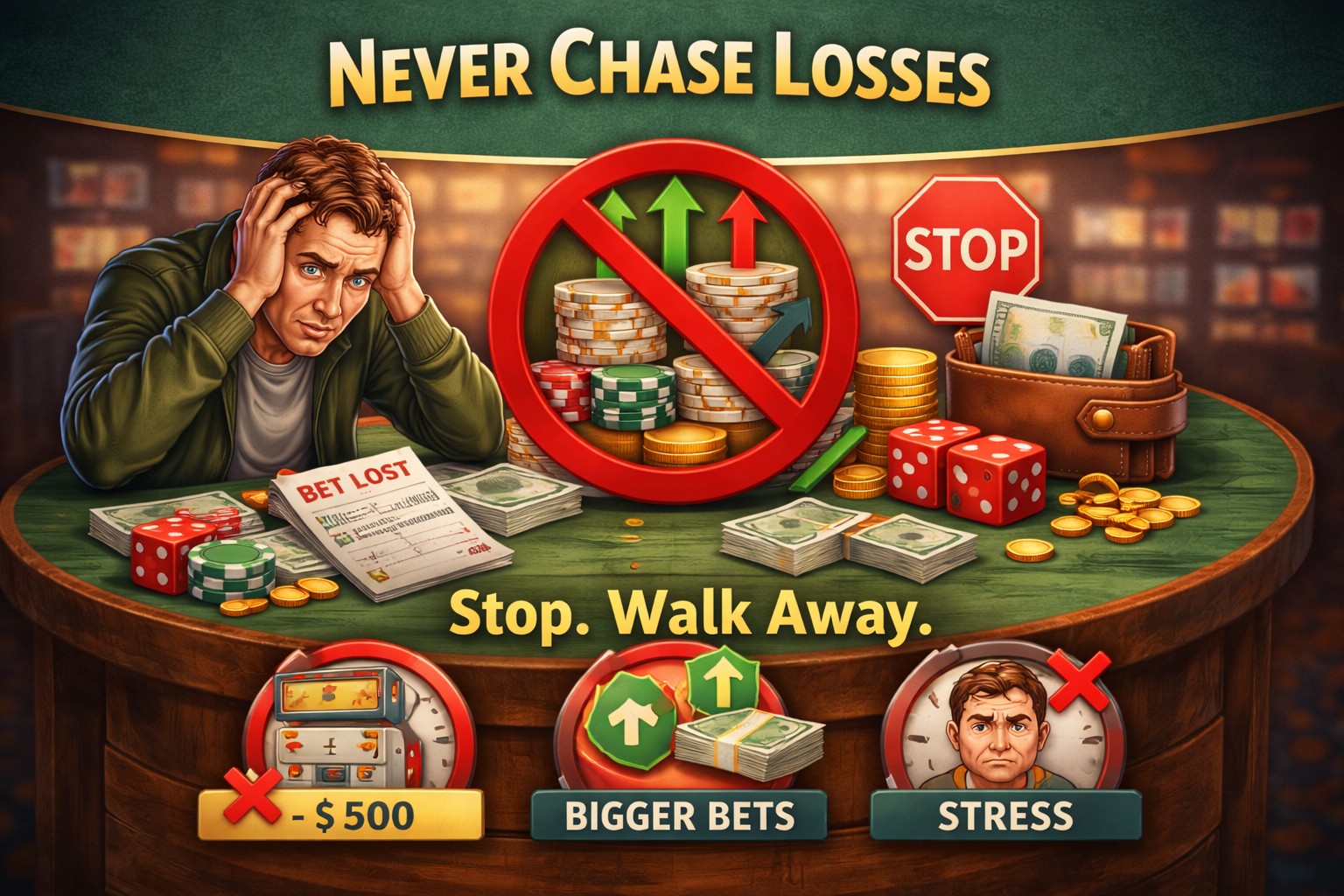
One of the most common traps in gambling is “chasing losses.” This happens when someone increases their bets or continues gambling in an attempt to win back money they’ve already lost.
The mindset sounds like this:
- “If I just gamble a little longer, I can recover.”
- “One more bet and I’ll break even.”
- “I can’t stop now — I’m due for a win.”
But gambling doesn’t work that way. Each bet is independent (in most games), and past losses do not increase your chances of winning next time.
Chasing losses often leads to even bigger losses. Instead, accept losses as part of the experience. Once you hit your budget limit, stop. Walking away protects you from deeper financial and emotional harm.
5. Avoid Gambling When Emotional
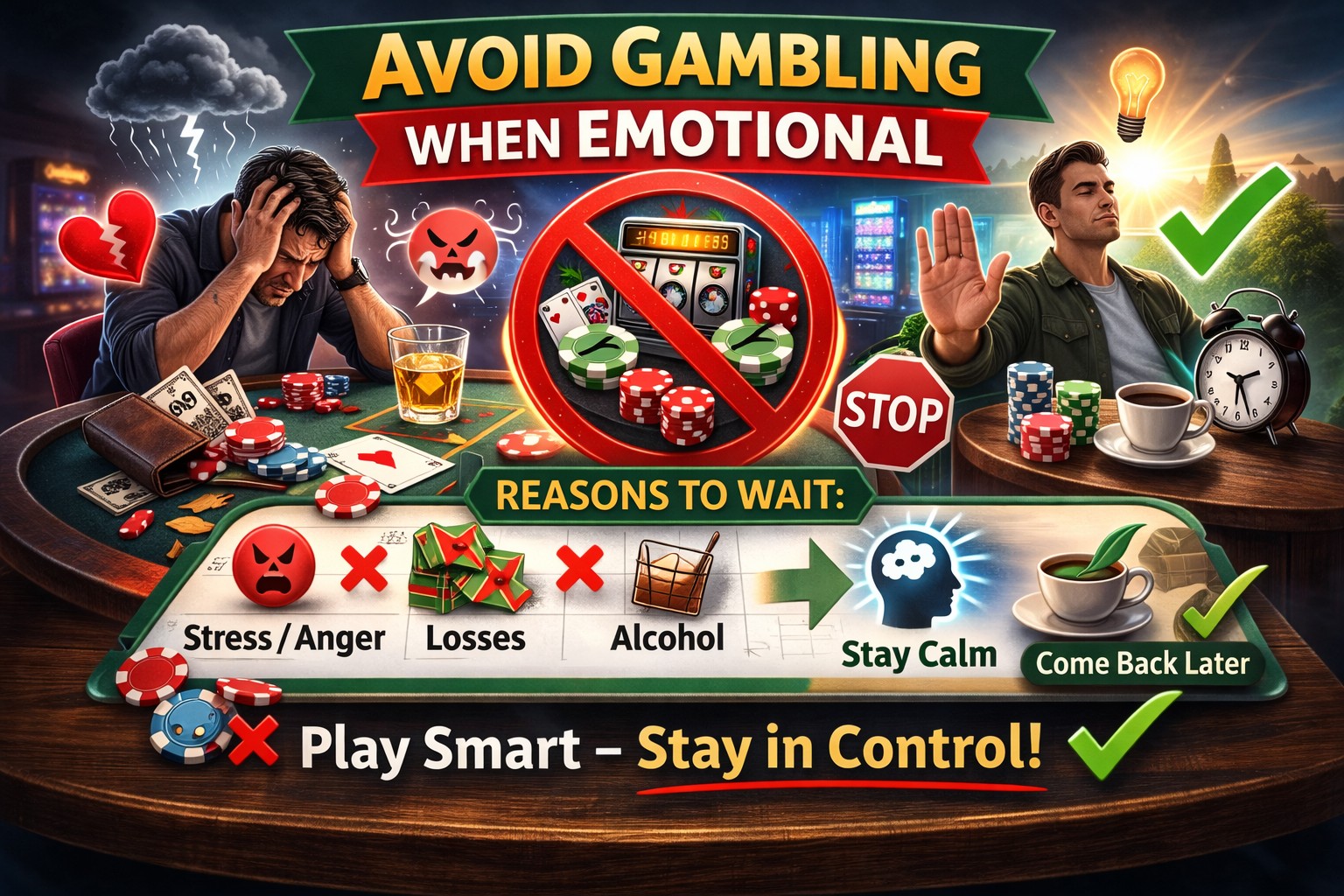
Your emotional state plays a major role in decision-making.
Avoid gambling when you’re:
- Stressed
- Angry
- Depressed
- Lonely
- Under the influence of alcohol or drugs
Emotional gambling can become a coping mechanism rather than a form of entertainment. When gambling is used to escape problems, it often creates more.
Similarly, avoid gambling when you’re overly excited after a big win. That “invincible” feeling can lead to reckless decisions.
The best time to gamble is when you feel calm, clear-headed, and in control.
6. Understand the Games You Play to Gamble
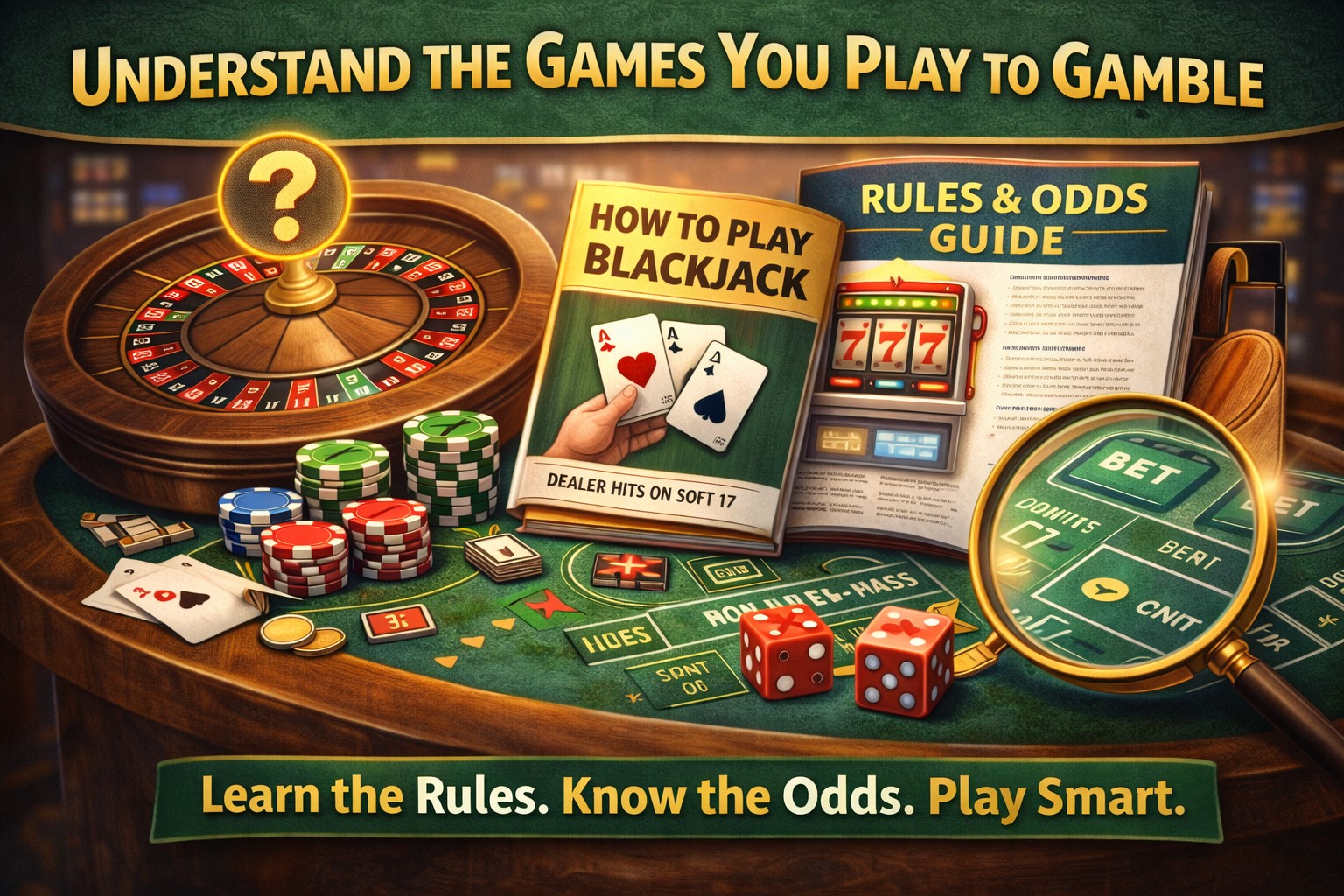
Knowledge reduces risk.
Before placing bets, take time to understand:
- The rules of the game
- The odds or house edge
- Payout structures
- Volatility and risk levels
For example, slot games can vary widely in volatility — some pay small wins frequently, while others pay rarely but in larger amounts. Sports betting requires understanding odds and probability. Poker involves skill as well as luck.
When you understand how a game works, you’re less likely to make impulsive decisions based on myths or misconceptions.
One key concept to remember: The house always has an edge. That edge ensures long-term profitability for the operator. Responsible gambling means accepting that reality.
7. Keep Gamble Separate from Daily Life
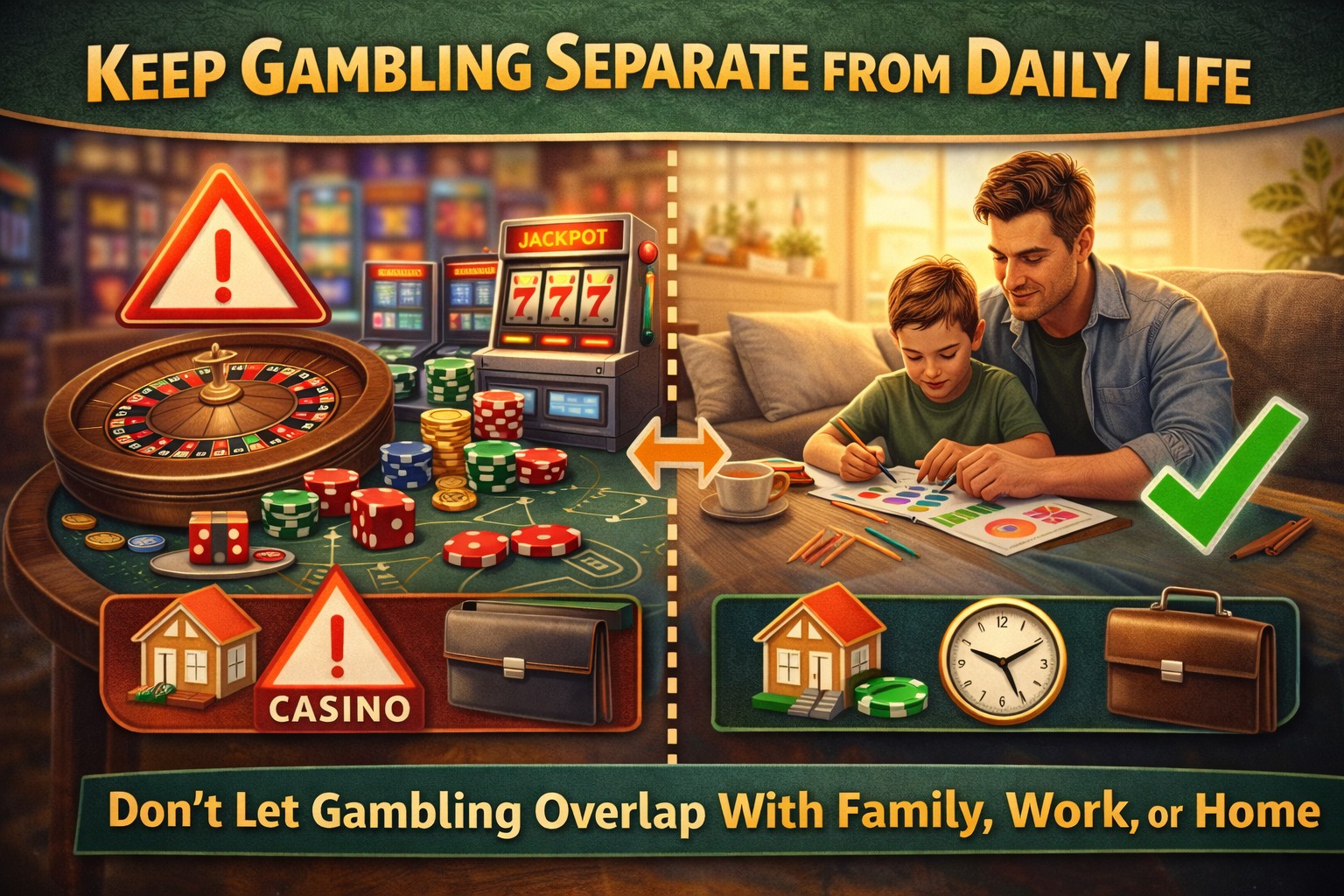
Healthy boundaries are essential.
Avoid:
- Borrowing money to gamble
- Using credit cards impulsively
- Selling personal items to fund gambling
- Hiding gambling activity from family or friends
Transparency and honesty are important indicators of control. If you feel the need to hide your gambling, that’s a red flag.
Maintain hobbies, social connections, and activities outside of gambling. A balanced lifestyle reduces the risk of overdependence on any one activity.
8. Take Regular Breaks
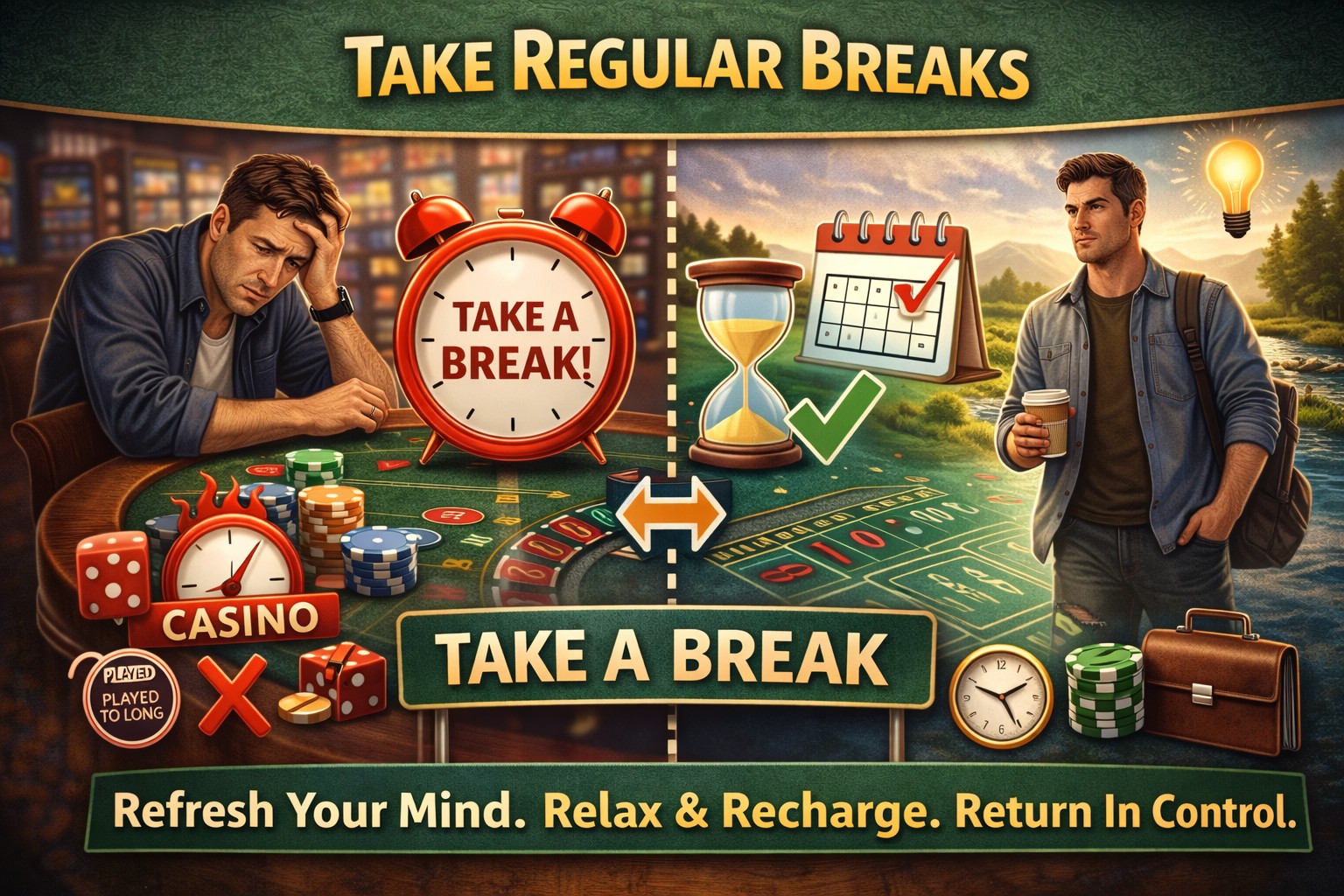
Stepping away regularly helps reset your perspective.
During breaks, ask yourself:
- Am I still having fun?
- Am I within my budget?
- Am I feeling stressed?
- Would I feel okay stopping now?
If the experience stops being enjoyable, it’s time to walk away.
Breaks also prevent tunnel vision — the narrow focus that can lead to risky bets and poor decisions.
9. Use Responsible Gambling Tools
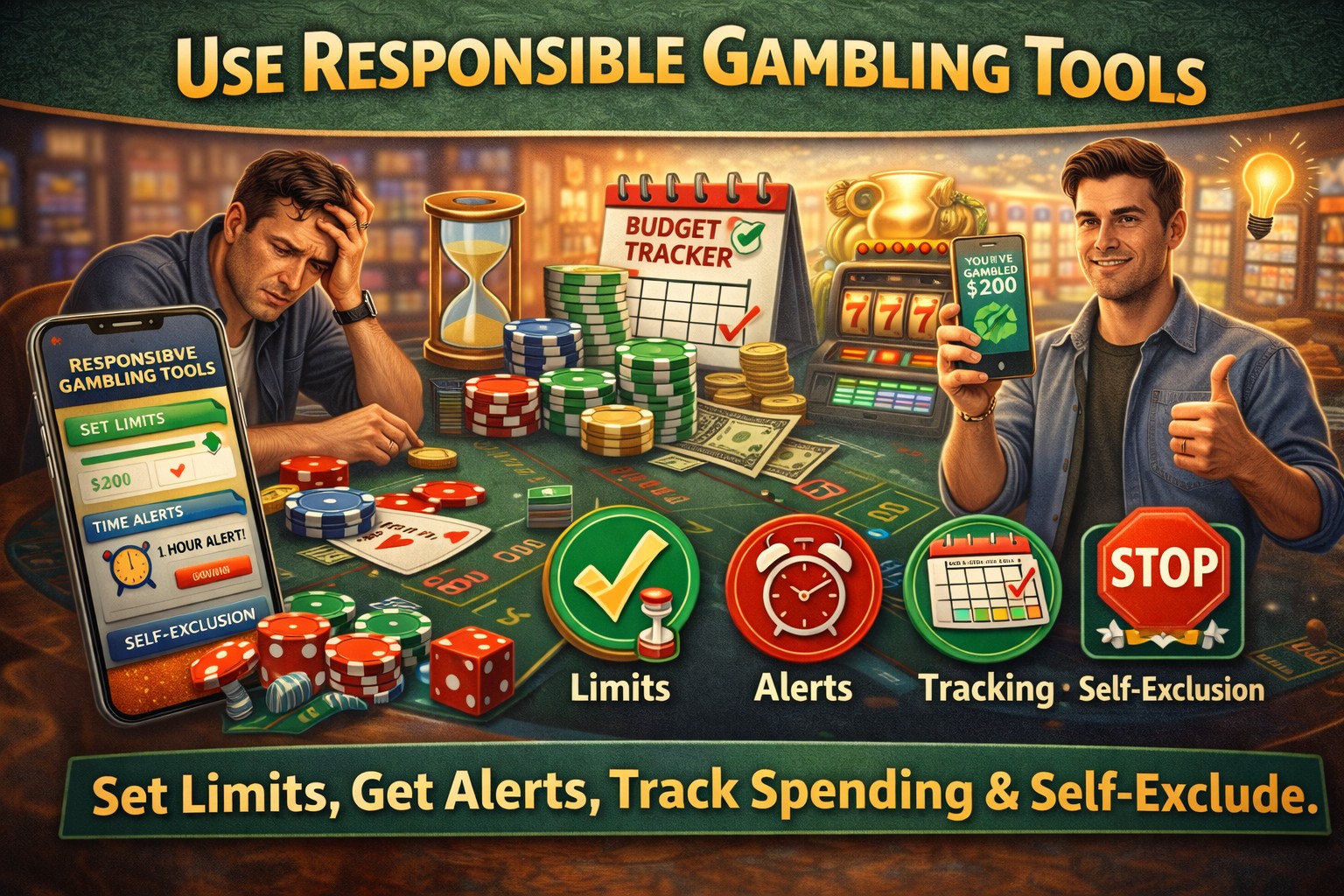
Many licensed gambling platforms provide built-in safety tools. These may include:
- Deposit limits
- Loss limits
- Session reminders
- Time-out periods
- Self-exclusion options
These tools are not a sign of weakness — they’re smart strategies.
For example, deposit limits can prevent impulsive overspending, and session reminders can alert you when you’ve been playing for a long time.
If you ever feel that gambling is becoming difficult to control, self-exclusion programs allow you to temporarily or permanently block access.
10. Watch for Warning Signs
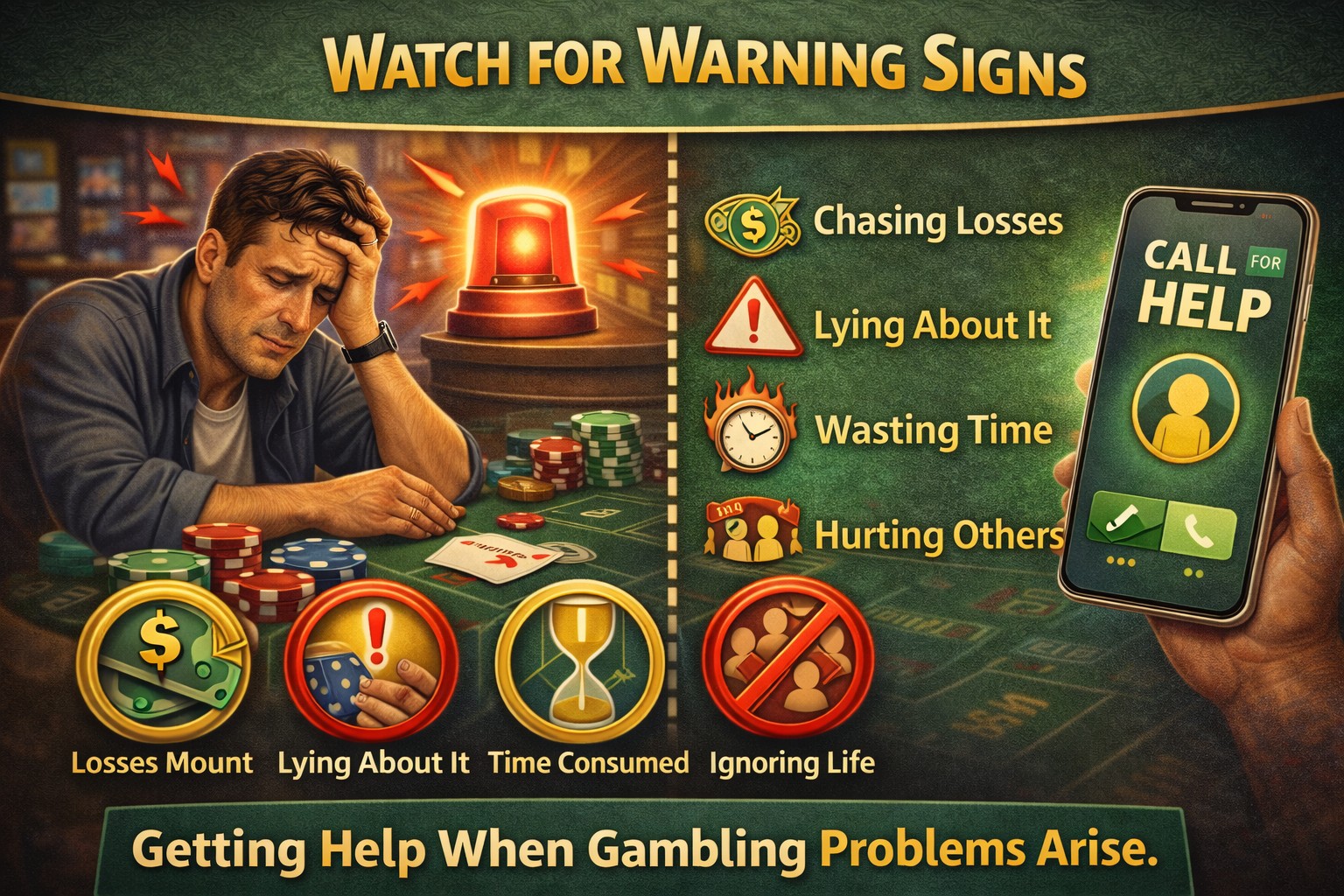
Responsible gambling also means recognizing when things might be heading in the wrong direction.
Warning signs may include:
- Gambling more than planned
- Increasing bet sizes to feel excitement
- Lying about gambling activity
- Feeling restless or irritable when not gambling
- Neglecting work or relationships
- Gambling to escape financial problems
If you notice these signs, take them seriously.
Seeking help early makes a big difference. Many organizations and hotlines offer confidential support for problem gambling. Talking to someone — whether a professional, friend, or family member — can provide clarity and relief.
11. Accept That Losses Are Part of the Experience
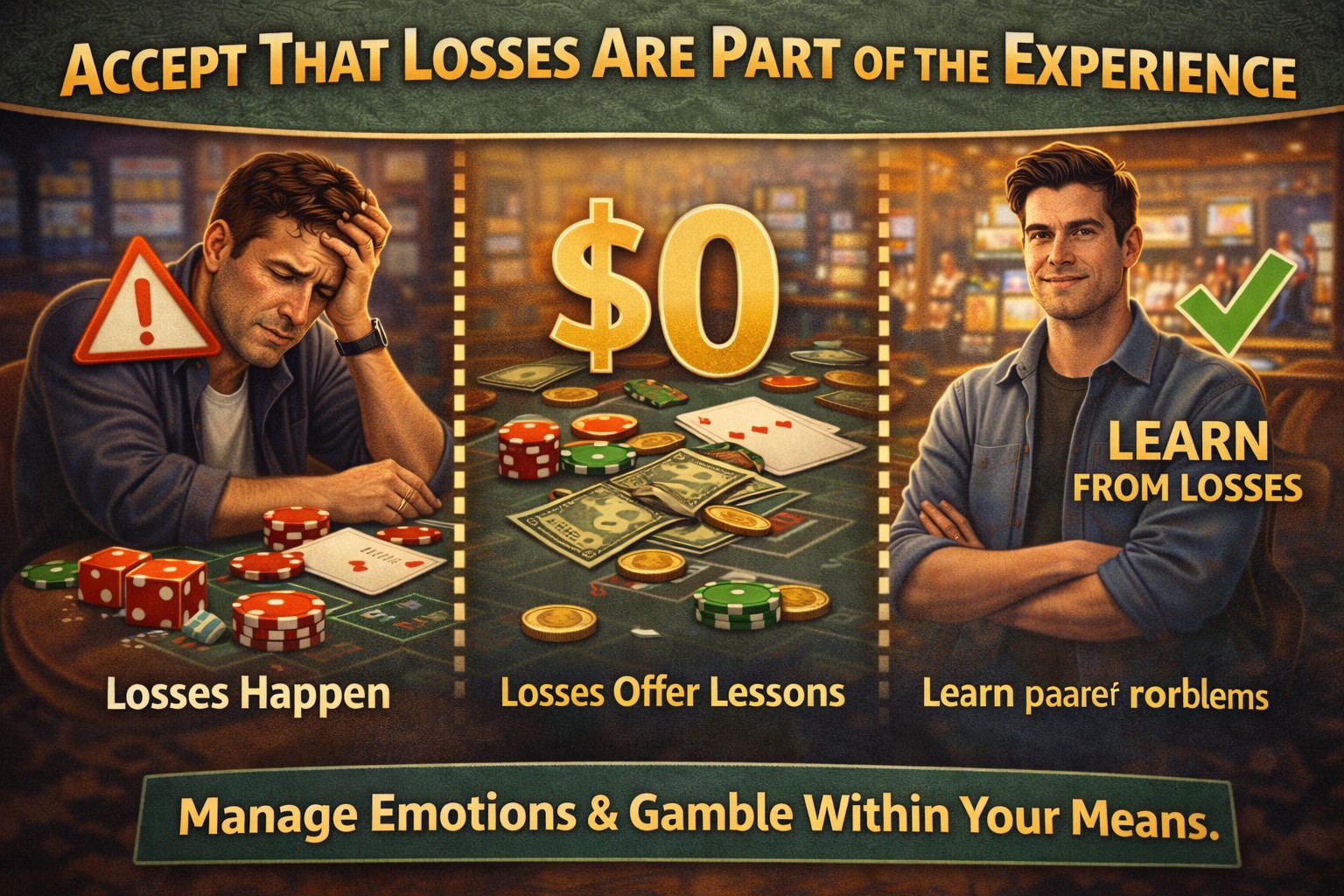
This mindset shift is powerful.
Losses are not personal failures. They’re a natural outcome of a game built on probability.
When you accept that losing is possible — and even likely over time — you detach emotionally from the outcome. That detachment is key to staying in control.
Celebrate wins modestly. Accept losses calmly. Balance is everything.
12. Know When to Stop — Even When Winning
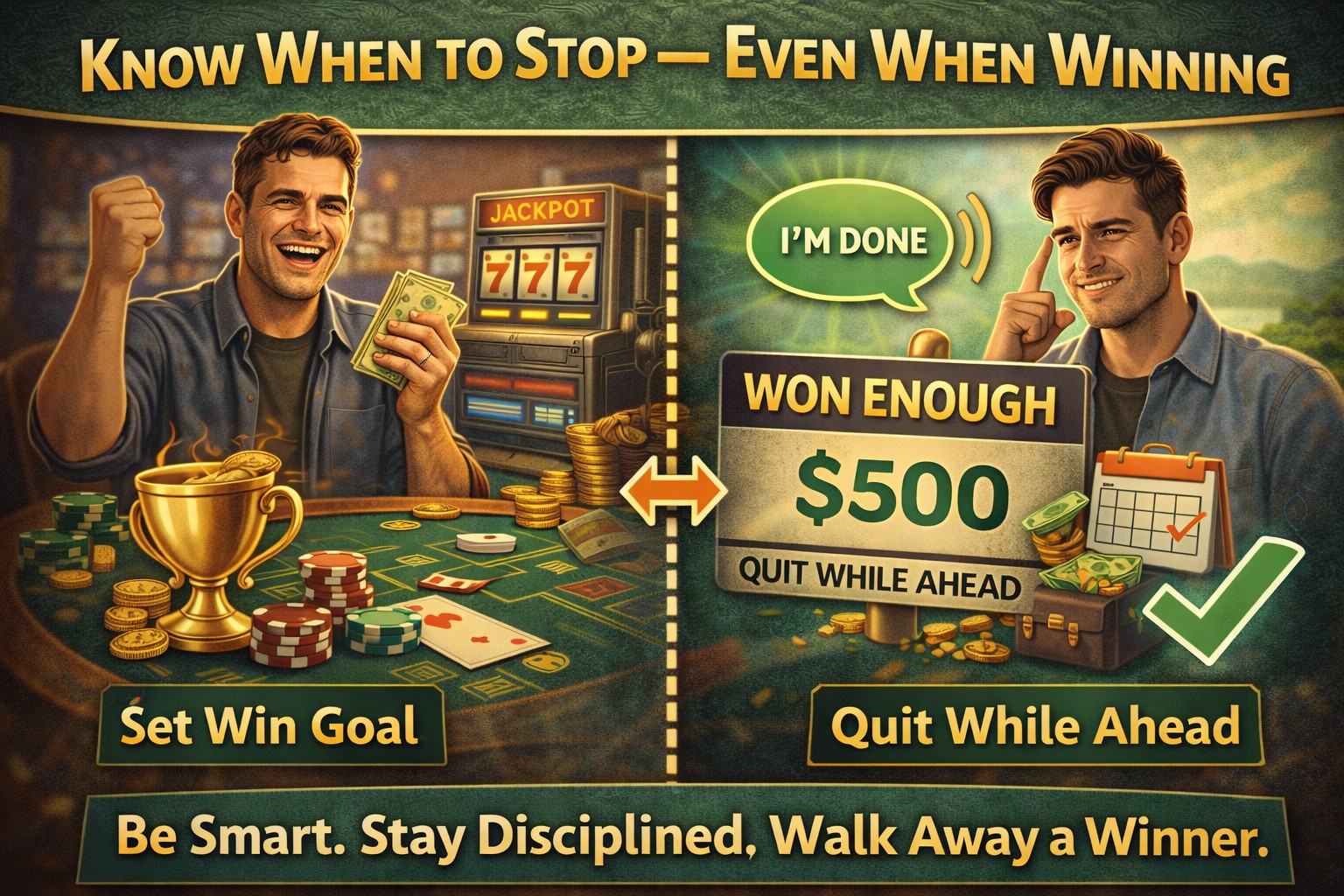
It may sound strange, but winning streaks can be just as dangerous as losing streaks.
A big win can create overconfidence. You might feel like you’ve figured out a strategy or that luck is on your side. That belief can lead to larger and riskier bets.
Set win limits just as you set loss limits. For example, decide ahead of time: “If I double my money, I stop.”
Protecting winnings is part of responsible gambling.
Final Thoughts: Control Is the Real Win
Gambling can be fun, social, and exciting when approached responsibly. The key is control — over your money, your time, and your emotions.
To recap:
- Treat gambling as entertainment, not income.
- Set strict budgets and time limits.
- Never chase losses.
- Avoid emotional or impulsive decisions.
- Use built-in responsible gambling tools.
- Recognize warning signs early.
The real win isn’t just money — it’s walking away confident that you stayed in control.
By building healthy habits and maintaining balance, you ensure that gambling remains what it’s meant to be: an enjoyable pastime, not a source of stress.
If you ever feel that control is slipping, don’t hesitate to seek support. Responsible gambling is not about restriction — it’s about empowerment.